
Pocket Option is a popular trading platform that provides a variety of tools to assist traders in analyzing the market and making informed decisions. One of the most crucial tools that traders utilize are indicators. These indicators are essential for enhancing trading strategies and understanding market trends. In this guide, we will delve into the different types of Pocket Option indicators, how to use them effectively, and tips on improving your trading experience. Additionally, you can find valuable community insights and updates through the pocket option indicators телеграм Pocket Option channel.
What Are Indicators?
In trading, indicators are mathematical calculations that are applied to price data to create a visual representation of market trends. They help traders to identify potential entry and exit points, gauge market momentum, and forecast future price movements. Indicators can be broadly categorized into two categories: lagging and leading indicators.
Types of Indicators Used in Pocket Option
1. Trend Indicators
Trend indicators help traders identify the direction in which the market is moving. These indicators indicate whether the price is generally moving upward, downward, or sideways. Common trend indicators include:
- Moving Averages (MA): This indicator smooths out price data to identify the trend direction over a specific period. Moving averages can be simple (SMA) or exponential (EMA).
- Average Directional Index (ADX): ADX measures the strength of a trend. A rising ADX indicates a strong trend, while a falling ADX suggests a weak trend.
2. Momentum Indicators
Momentum indicators help traders assess the speed and strength of price movements. These indicators are crucial for identifying potential reversals and breakouts. Popular momentum indicators include:
- Relative Strength Index (RSI): RSI measures the speed and change of price movements and ranges from 0 to 100. An RSI above 70 indicates overbought conditions, while below 30 indicates oversold conditions.
- Stochastic Oscillator: This indicator compares a particular closing price of an asset to a range of its prices over a specified period. It helps traders understand if an asset is overbought or oversold.
3. Volatility Indicators
Volatility indicators help traders evaluate the market’s price fluctuations. A high volatility may signify the potential for price breaks or rebounds. Common volatility indicators include:
- Bollinger Bands: This indicator consists of a middle band (MA) and two outer bands indicating standard deviations away from the MA. The width of the bands varies with market volatility.
- Average True Range (ATR): ATR measures market volatility by decomposing the entire range of an asset price for that period.
How to Effectively Use Indicators on Pocket Option
Using indicators effectively requires understanding their calculations and the signals they provide. Here are some strategies to maximize their benefits:
1. Combine Indicators
Using a combination of different types of indicators can yield more reliable results. For instance, pairing a trend indicator with a momentum indicator can confirm trends and enhance trading signals.
2. Keep It Simple
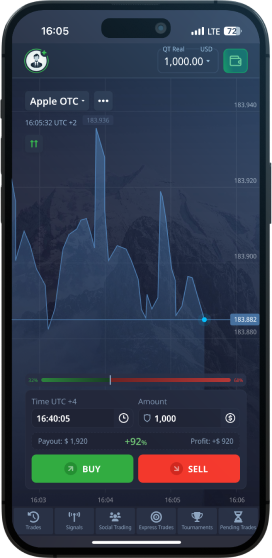
While it may be tempting to use multiple indicators simultaneously, simplicity often leads to better decision-making. A cluttered chart can be confusing and may adversely affect trading performance.
3. Backtesting Strategies
Before applying any indicators in live trading, it’s advisable to backtest your strategies. This involves using historical data to see how your chosen indicators would have performed in past market conditions.
Risks Associated with Using Indicators
While indicators can greatly enhance trading strategies, they are not foolproof. Here are some risks associated with their use:
1. Lagging Signals
Many indicators are based on past price data and may provide signals too late, leading to missed opportunities or false signals.
2. Over-Reliance
Traders might become too dependent on indicators and neglect other important factors, such as market news and economic data, that can affect price movements.
3. False Signals
No indicator is perfect. There can be instances of false signals leading to losing trades. It’s critical to use indicators as part of a broader strategy rather than relying on them exclusively.
Best Practices for Using Pocket Option Indicators
To enhance your trading outcome with Pocket Option indicators, consider these best practices:
1. Education and Research
Continuous learning about indicators and market analysis is fundamental to becoming a successful trader. Engaging with trading communities and resources can provide invaluable insights.
2. Continuous Monitoring
The market is constantly evolving; thus, regularly monitor the performance of your chosen indicators and adjust your strategies accordingly.
3. Emotional Control
Maintaining emotional control during trading, especially when following indicators, is crucial to avoid rash decisions that could lead to losses.
Conclusion
Indicators are valuable tools in the Pocket Option trading environment. By understanding the different types of indicators, how to use them effectively, and the associated risks, traders can significantly enhance their trading strategies and outcomes. Remember to combine indicators wisely, keep your strategies simple, and continuously educate yourself on market trends and developments. Happy trading!
